The Mark of the Beast Identified
INTRODUCTION Purpose This site identifies the Mark of the Beast through many articles, including articles on Daniel and Revelation. Another
INTRODUCTION Purpose This site identifies the Mark of the Beast through many articles, including articles on Daniel and Revelation. Another
While Arius himself wrote that the Son of God does not change, Athanasius said that Arius taught the exact opposite: that the Son is “like all others … subject to change.” This article explains why Arius described the Son as created but still unchangeable.
This article examines the common historical claim—originated by opponents such as Athanasius—that the fourth-century theologian Arius taught that literal time preceded the Son of God. Drawing on modern patristic scholarship, the study demonstrates that this attribution misrepresents Arius. While Arius maintained that the Father existed prior to the Son in a metaphysical or logical sense within the timeless infinity beyond the cosmos, he viewed the Son as existing timelessly before the creation of the universe and ordinary chronological time.
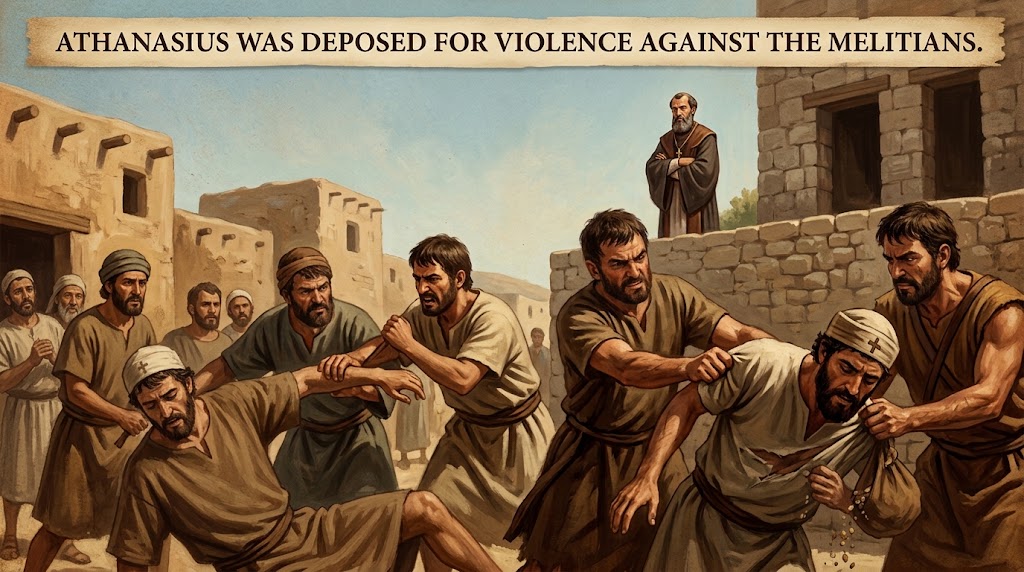
Traditionally revered as a gentle hero of the fourth-century Arian Controversy, Athanasius of Alexandria has long enjoyed a legacy of unblemished orthodoxy. However, drawing on R.P.C. Hanson’s seminal study The Search for the Christian Doctrine of God and 20th-century papyrus discoveries, this article re-evaluates the historical record. It demonstrates that Athanasius was justly deposed and excommunicated in 335 by the Council of Tyre for employing barbaric, thug-like violence and strong-arm tactics against the Melitian Christians in Egypt.
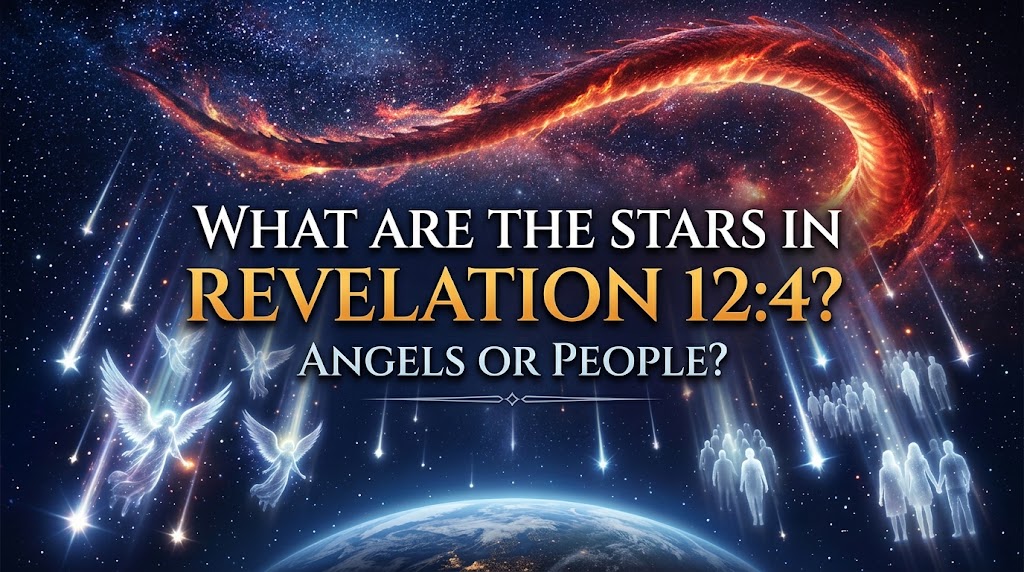
A great red dragon swept a third of the stars out of heaven and threw them to the earth (Rev 12:4). A few verses later, there is a war in heaven between the dragon’s angels and Michael’s angels. Are the “stars” in 12:4 the dragon’s angels? Did Satan deceive a third of the angels? This article argues that the immediate context points toward believers who have been led astray by deception rather than literal heavenly beings.
Based on Revelation 12, this article examines why God permitted sin and suffering to continue on Earth following Christ’s victory at the Cross. While Jesus’ sacrifice defeated Satan and secured peace in heaven, the earthly conflict persists as a testing ground for divine justice. God refrains from using immediate force, responding instead with evidence to refute Satan’s accusations before the whole universe. Key end-time events—including the mark of the beast, the seven last plagues, and the final Millennium battle—serve to fully expose the true nature of both good and evil. Ultimately, God delays final judgment until the character of His followers is fully established and the universe fully comprehends the righteousness of His final decisions.
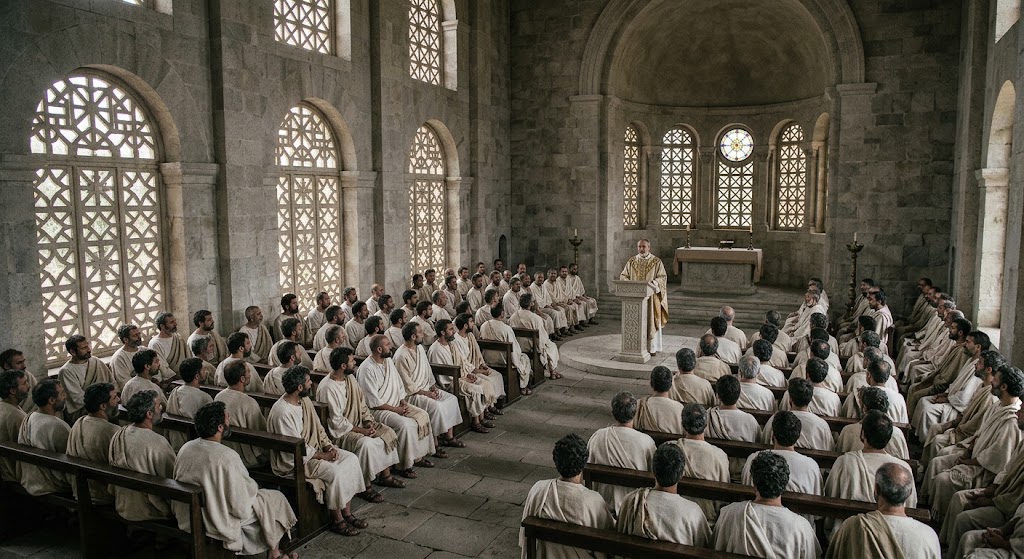
This article re-evaluates the 4th-century Trinitarian controversy by examining why the 341 Dedication Council of Antioch discarded the Nicene term homoousios (“same substance”) in favor of describing the Son as the “exact image of the Father’s substance.” Rather than viewing this shift as a victory for radical Arianism, the study argues that Eastern bishops sought to resolve the profound ambiguity left by the Council of Nicaea in 325. At Nicaea, an imperial mandate and an anti-Arian alliance between Alexander of Alexandria and Asiatic modalists led to the inclusion of homoousios—a term historically linked to Sabellianism and the collapsing of personal distinctions within the Godhead.
Following Nicaea, as Sabellian theologians cited homoousios to argue for a single hypostasis, Eastern traditionalists (the “Eusebians”) launched a theological counter-offensive to defend the distinct existence of the Son. The Dedication Creed of 341 represents this Eastern consensus. By framing the Son as the “exact image,” the council rejected Sabellian numerical identity (one hypostasis) in favor of qualitative identity (three hypostases united in agreement). Ultimately, the Dedication Council served as a critical historical pivot, establishing the multi-hypostasis framework that would later inform the Cappadocian settlement at the Council of Constantinople in 381.
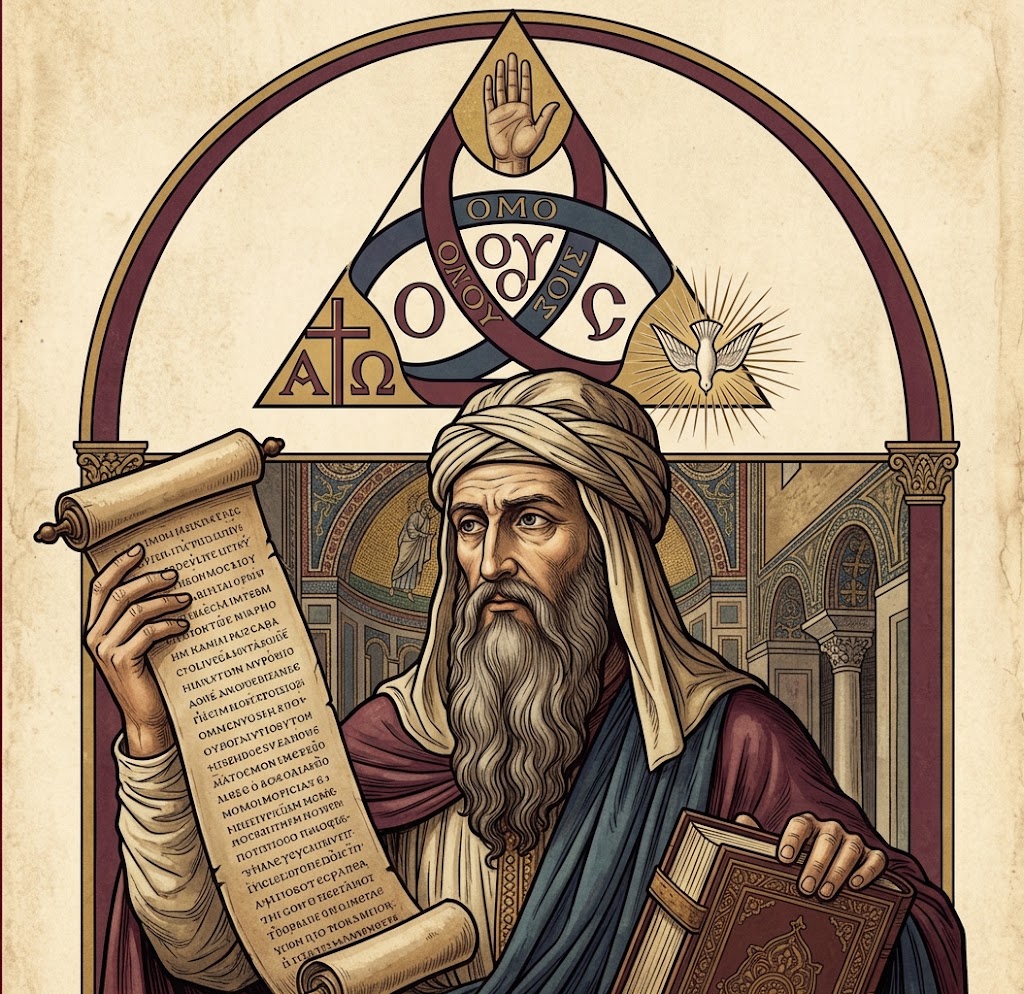
This article explores the theological contributions of Basil of Caesarea, one of the prominent Cappadocian Fathers, regarding the doctrine of the Godhead. While mainstream Trinitarianism posits God as a single Being (one indivisible substance) existing in three Persons, the article argues that Basil originally conceptualized the Father, Son, and Holy Spirit as three distinct Beings (three substances), but with the same type of substance. The text highlights how Basil’s framework differed from both Sabellianism and earlier Nicene models, maintaining the unique priority of the Father while asserting ontological equality among the divine Persons.
Scholars regard R.P.C. Hanson’s The Search for the Christian Doctrine of God (1988) as a landmark contribution to Early Church
TABLE OF CONTENTS Book of Daniel • Antichrist (Dan 2, 7, 8, 11) • Daniel 9 • Is Daniel a